Rooster’s Beak: A Cozy, Crispy Family Recipe to Try Tonight
Rooster’s Beak — A Warm Kitchen Welcome
There are smells that take you home — browned butter, thyme, a citrus squeeze — and for me, Rooster’s Beak has become one of those scents. This little family recipe is part comfort food and part small celebration: a golden, hand-held pastry that crackles at the edges and softens into a tender, savory center. Whether you treat it as a homemade meal for a weeknight, a quick dinner idea for hungry kids, or a festive treat for guests, Rooster’s Beak wraps simple ingredients in a story you can bite into.
Why You’ll Love This Rooster’s Beak Recipe
- Soul-satisfying flavors: savory pastry, bright herbs, and a touch of tang that keeps every bite balanced.
- Easy to prepare: straightforward steps make it a perfect quick dinner idea after work.
- Crowd-pleasing: great for potlucks and a charming family recipe to pass down.
- Budget-friendly: pantry staples shine without needing specialty items.
- Versatile: can be a healthy option with vegetable fillings or an indulgent dessert with sweet fillings.
Ingredients for Rooster’s Beak
- 2 cups all-purpose flour — or swap half for whole wheat for a nuttier flavor.
- 1 teaspoon fine salt.
- 6 tablespoons cold butter, cubed — use unsalted and feel the pastry flake come alive.
- 1/3 cup ice water, plus more if needed.
- 1 large egg, beaten for an egg wash.
- 1 cup cooked shredded chicken, pulled pork, or roasted mushrooms for a vegetarian twist.
- 1/2 cup shredded cheese (cheddar or Gruyere shine here).
- 2 tablespoons fresh parsley, chopped — swap with cilantro for a brighter finish.
- 1 teaspoon Dijon mustard for depth (optional).
Notes: For a sweet Rooster’s Beak variation, replace the savory filling with spiced apples and a sprinkle of brown sugar.
Prep and Cook Time for Rooster’s Beak
- Prep time: 20 minutes (make-ahead dough option available).
- Cook time: 18–22 minutes.
- Total time: about 40–45 minutes.
This is mostly a quick dinner idea but also a lovely homemade meal to savor when you have an hour. The dough benefits from a brief chill if you have the time.
Step-by-Step Instructions for Rooster’s Beak
- Make the dough: In a bowl, whisk flour and salt. Cut in cold butter with a pastry cutter or two forks until the mixture looks like coarse crumbs with pea-sized pieces. The butter will be cold and firm; when it bakes it creates flaky pockets that smell like toasted richness.
- Add ice water, a tablespoon at a time, tossing until the dough just comes together. It should hold when pressed but not be sticky. Form into a disk, wrap in plastic, and chill for 15 minutes if you can.
- Preheat your oven to 400°F (200°C). Line a baking sheet with parchment.
- Roll and fill: On a lightly floured surface, roll the dough to about 1/8 inch thick. Cut into 4–5 inch circles using a glass or biscuit cutter. Spoon a tablespoon of filling (chicken, cheese, herbs, and a dab of mustard) onto each circle. Don’t overfill — a neat parcel will seal and puff.
- Shape into the beak: Fold each circle into a half-moon and press the edges to seal. Then, take one point of the crescent and curl it in a small beak-like twist — this makes each piece charming and helps steam escape while baking. Brush with beaten egg for shine.
- Bake: Arrange on the tray and bake 18–22 minutes until golden brown and puffed. You’ll hear that satisfying crackle as the outer crust crisps and the inside steams. Remove and cool slightly before serving.
Variations and Twists
- Healthy option: Fill with roasted sweet potato, spinach, and a sprinkle of feta.
- Festive treat: Use cranberry, brie, and a touch of honey for a seasonal party pastry.
- Indulgent dessert: Fill with Nutella and banana or mascarpone and roasted berries.
- Regional spins: Add curry powder and mango chutney for an Indian-inspired twist, or go Greek with olives, oregano, and lemon zest.
- Make-ahead: Freeze raw, filled Rooster’s Beaks on a tray and transfer to a bag; bake from frozen, adding a few minutes to the cook time.
Serving Suggestions
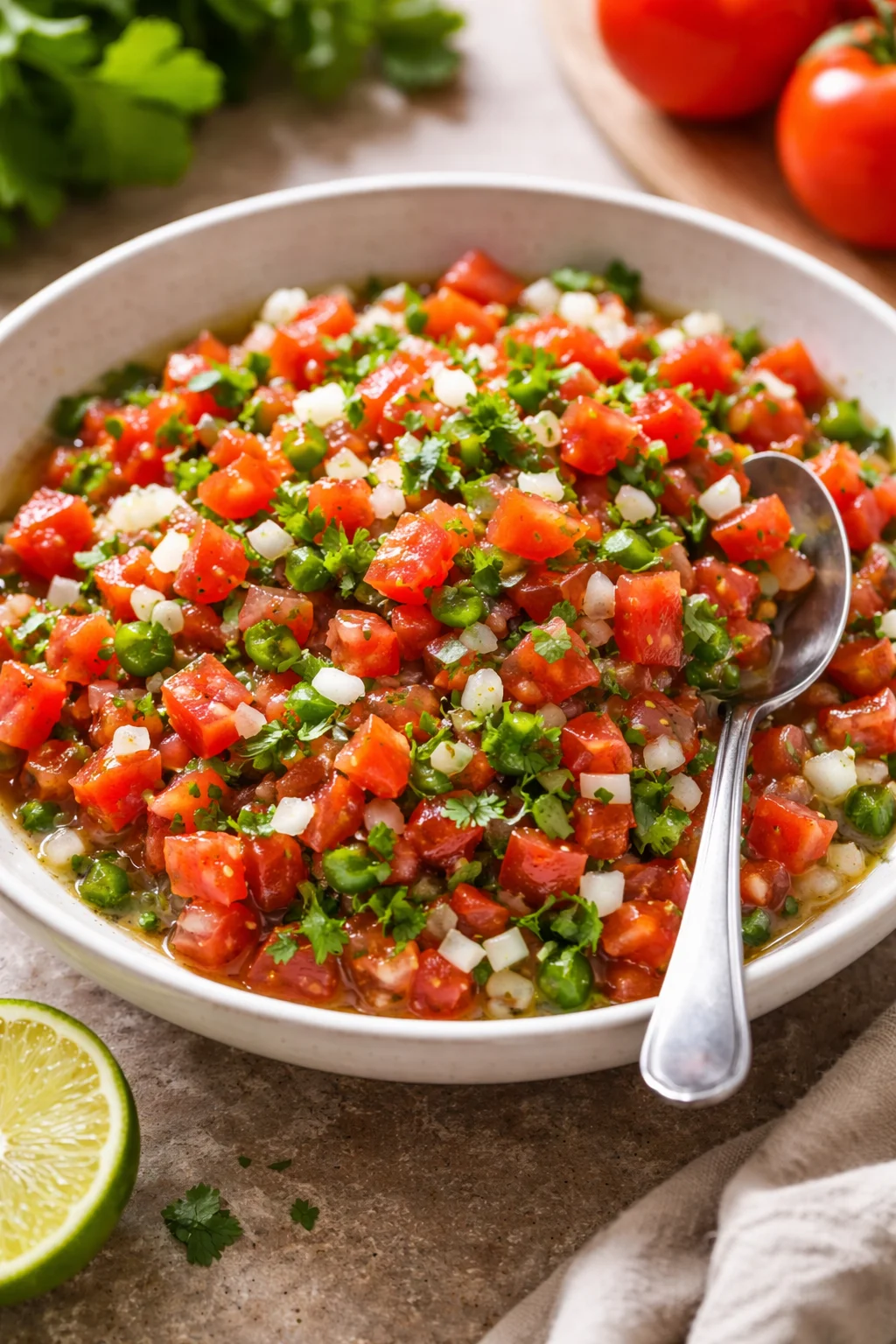
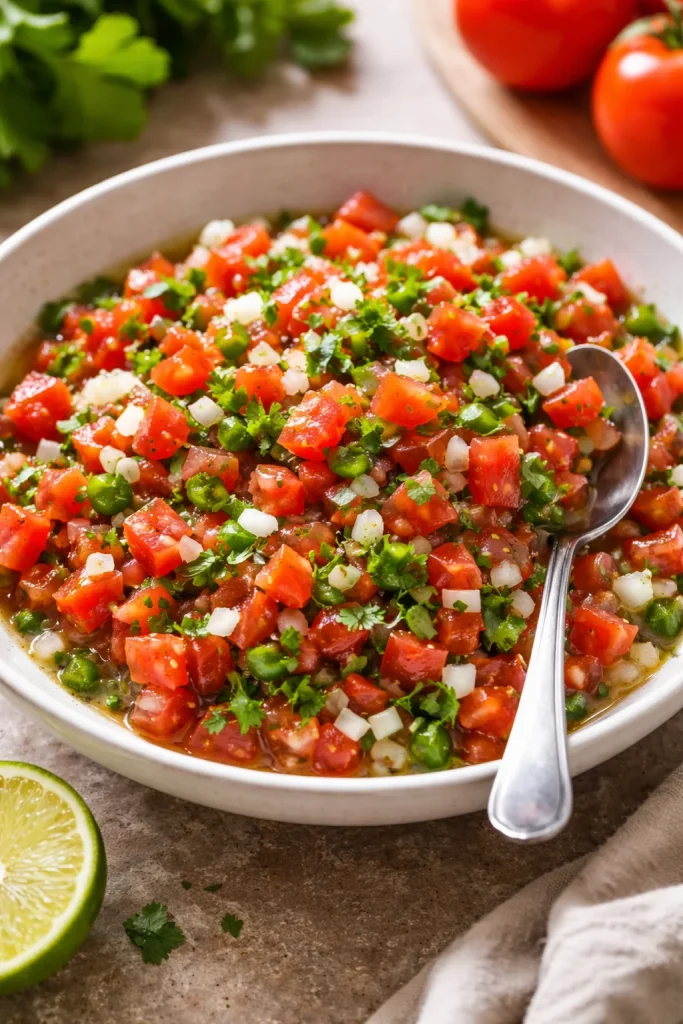
Serve Rooster’s Beak warm from the oven, arranged on a rustic wooden board with sprigs of parsley. For a cozy weeknight, pair with a simple green salad and a bowl of soup for a comforting homemade meal. For a festive table, place them beside pickles, olives, and a bright salsa; a vibrant pico de gallo complements the pastry’s richness perfectly. If you’re making them for brunch, offer both savory and sweet versions so everyone can choose their favorite.
Storage and Reheating
Store cooled Rooster’s Beak in an airtight container in the refrigerator for up to 3 days. To reheat, warm in a 350°F oven for 8–10 minutes to revive the crisp crust. For frozen raw pastries, bake from frozen at 400°F for 22–26 minutes or until golden and cooked through. Avoid microwaving if you want to keep the pastry crisp.
Kitchen Tips for Success
- Keep everything cold: cold butter and cold water make flakier pastry. Chill the dough if you can.
- Do not overfill: too much filling releases steam and makes sealing difficult.
- Egg wash gives a glossy, golden finish — don’t skip it.
- Use a light hand when pressing edges: crimp, don’t flatten the sealing pastry, to trap air pockets that bake into fluff.
- If your filling is wet, drain or pat it dry so the pastry doesn’t become soggy.
FAQs
Q: Can I make Rooster’s Beak gluten-free?
A: Yes. Use a 1:1 gluten-free flour blend designed for baking. You may need to add a tablespoon more water; watch the dough’s texture rather than strictly following measurements.
Q: How many does this recipe serve?
A: This batch makes about 10–12 medium Rooster’s Beaks, serving 4–6 as a main with sides or more as appetizers.
Q: Can I prepare the filling ahead of time?
A: Absolutely. Keep fillings refrigerated for up to 2 days. Assemble and bake just before serving for best texture.
Q: Is there a vegetarian version that’s still satisfying?
A: Yes — roasted mushrooms, caramelized onions, and a tangy cheese like goat or feta make a hearty, healthy option that still feels like a family recipe.
Conclusion
Rooster’s Beak is one of those recipes that invites conversation — the kind you cook while stories simmer alongside the sauce. It’s approachable enough for a quick dinner and versatile enough to morph into a festive treat or a comforting homemade meal for slow Sundays. If you love bright contrasts, serve these with a fresh, zesty side like an Authentic Pico de Gallo recipe to cut through the richness and add that joyful, citrusy lift. I hope you tuck this one into your rotation, share it with someone you love, and let the kitchen fill with the small, special sounds of baking and companionship.
Rooster's Beak
Ingredients
Method
- In a bowl, whisk flour and salt. Cut in the cold butter until the mixture looks like coarse crumbs with pea-sized pieces.
- Add ice water, a tablespoon at a time, tossing until the dough just comes together. Form into a disk, wrap in plastic, and chill for 15 minutes if you can.
- Preheat your oven to 400°F (200°C). Line a baking sheet with parchment.
- On a lightly floured surface, roll the dough to about 1/8 inch thick. Cut into 4–5 inch circles using a glass or biscuit cutter.
- Spoon a tablespoon of filling onto each circle. Don’t overfill.
- Fold each circle into a half-moon and press the edges to seal. Curl one point in a small beak-like twist.
- Brush with beaten egg for shine.
- Arrange on the tray and bake for 18–22 minutes until golden brown and puffed. Cool slightly before serving.